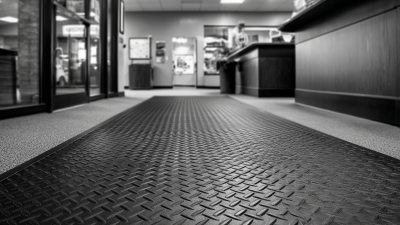
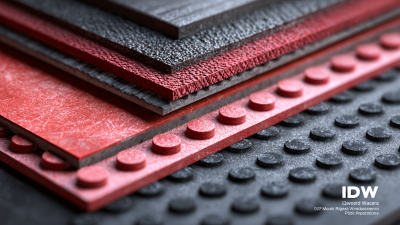
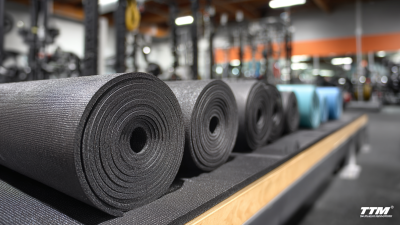
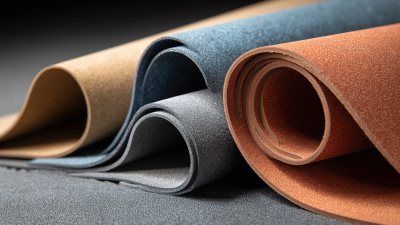
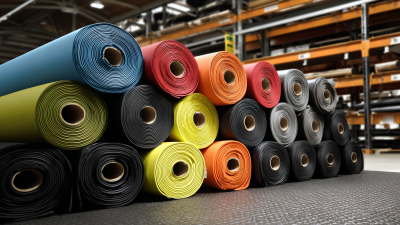
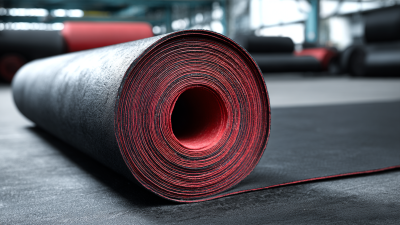
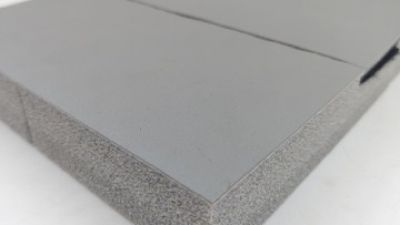
Setting up the perfect home Gym isn’t just about picking out cool equipment — there’s actually a bunch of little things that can make a big difference, like, for instance,Weight Floor Mats. I talked to fitness pro Mike Andrews, CEO of FitPro Solutions, and he put it simply: "A good mat not only protects your floors but also keeps you safe while you work out." When you’re shopping for mats, don’t forget to think about durability and thickness. A high-quality weight floor mat can really absorb the impact, cut down on noise, and give you better grip when you’re going all out with your workout.
Honestly, a lot of folks tend to overlook these mats — they might think any regular mat will do. But skimping on quality can end up costing you later, in the form of damaged floors or even worse, injuries. For example, a lightweight mat might slide around during your reps, which is just asking for trouble.
Taking a little extra time to pick the right Weight Floor Mats really pays off. Think about what kind of workouts you'll be doing and how much space you've got. Some mats are super easy to clean, while others might not be so fuss-free. You’ll find options in rubber and foam, each with their own perks. Don’t be afraid to look at different sizes and styles — finding the right fit makes your space more functional and your workouts safer. Trust me, a little extra thought here can totally level up your home gym game while keeping things safe and smooth.
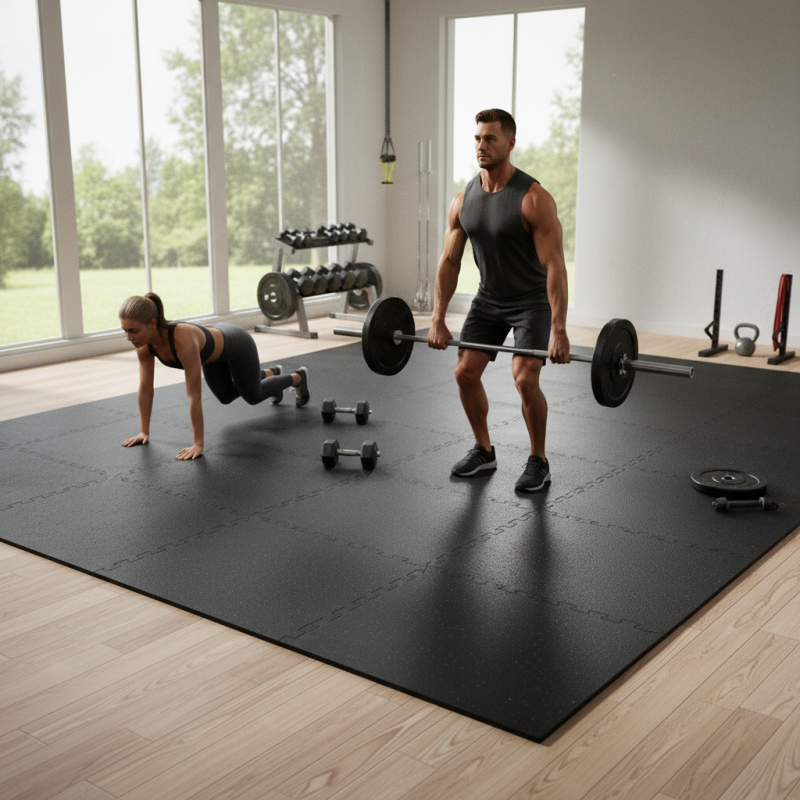
Understanding the Importance of Weight Floor Mats in Home Gyms
Weight floor mats are essential elements in any home gym. These mats provide a protective barrier between your workout equipment and the floor. They help to prevent damage to both your floors and your weights. Imagine dropping a dumbbell on hardwood. The sound and potential damage could be devastating. Mats absorb impact and minimize noise, making workouts more enjoyable.
In addition to protection, these mats offer safety. A good mat prevents slips and falls during intense workouts. This is especially important when lifting heavy weights or performing dynamic movements. However, not all mats are created equal. Some may wear down faster than expected or offer inadequate cushioning. It's vital to choose one that balances durability and comfort, keeping in mind your workout routine.
Installing the right mat creates a defined workout space. It can enhance focus and mental readiness. Yet, many people overlook this aspect. Some may settle for any material lying around. Reflecting on this choice can lead to a more effective home gym. Consider investing in quality mats for a better experience.
Key Features to Look for in Weight Floor Mats
When selecting Weight Lifting Floor Mats, consider durability as a key feature. Mats must withstand heavy weights and resist wear over time. Industry reports indicate that high-density materials can reduce damage by 40%. Look for options with at least 3/8-inch thickness. This thickness absorbs shock well, providing better safety.
Another crucial aspect is traction. Mats should prevent slipping during workouts. A recent survey showed 70% of users experienced fewer accidents with mats that feature textured surfaces. This design ensures stability during exercises, especially for weightlifting. An effective mat should also be easy to clean. Regular maintenance prolongs the mat's life and hygiene.
Lastly, consider sound insulation. Noise reduction is vital in shared spaces. Quality mats can lower sound levels by up to 25%. This feature enhances the workout environment, making it more enjoyable. While functionality is essential, aesthetics matter too. A mat that blends with your gym decor creates a more appealing space. Reflect on these factors; the right choice impacts your workout experience significantly.
Types of Weight Floor Mats: Rubber, Foam, and Vinyl Options
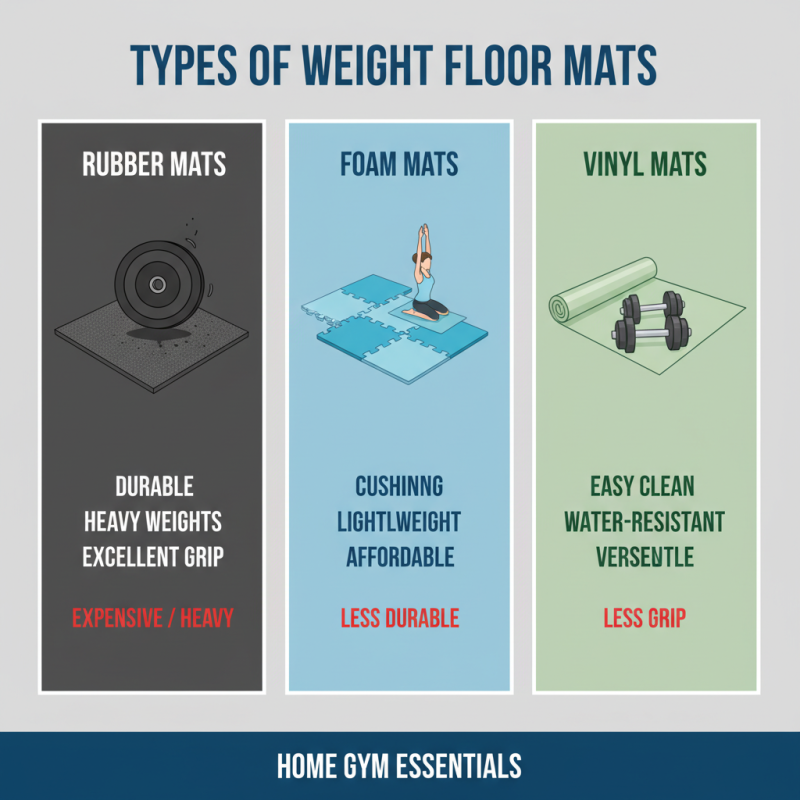
When setting up a home gym, choosing the right weight floor mat is crucial. There are several types available, with rubber, foam, and vinyl being the most common options. Rubber Mats are known for their durability. They can withstand heavy weights and offer excellent grip. This makes them ideal for intense workouts. However, they can be expensive and quite heavy to move around.
Foam mats provide a softer surface, making them great for lighter workouts or stretching. They are lightweight and easy to install. However, they may not offer enough support for heavier weights. Over time, foam can compress and lose its integrity. Vinyl mats are another option. They are often easy to clean and water-resistant. They work well for multipurpose areas but may not provide the same shock absorption as rubber.
Choosing the right material affects your workout experience. Consider your flooring beneath the mat too. A hard surface will need more cushioning. Check the thickness of the mats as well. It influences comfort and durability. Each type comes with pros and cons. Reflect on your workout habits, space, and budget before deciding.
Evaluating Durability and Performance of Gym Floor Mats
When choosing Gym Floor Mats, durability is crucial.Weight Mats must withstand heavy equipment and intense workouts. Not all mats offer the same level of resilience. Some are made from recycled materials, while others use high-density foam. The choice here affects longevity and performance.
Performance also hinges on traction. Weight Mats should provide grip during exercises. Slips can lead to injuries. Textured finishes often help, but wear can diminish effectiveness. Regularly inspecting mats for damage can prevent accidents. You might even find that certain mats become less effective over time, warranting a thoughtful replacement strategy.
Cleaning and maintenance are vital aspects of gym floor mats. Some materials are easy to clean, while others can absorb sweat and odors. Choosing a mat that balances durability and hygiene is important. It’s easy to overlook this aspect, but a dirty mat can undermine your workout environment. Reflecting on these factors can guide you toward making a better choice for your home gym.
Best Weight Floor Mats for Home Gym Buyers Guide
| Mat Type | Material | Thickness (inches) | Durability Rating (1-10) | Performance Rating (1-10) | Price Range ($) |
| Interlocking Tiles | Foam | 0.5 | 7 | 8 | 50 - 100 |
| Roll-Out Mats | Rubber | 3/8 | 8 | 9 | 75 - 150 |
| Heavy Duty Mats | Vinyl | 1 | 9 | 9 | 100 - 200 |
| Foam Mats | EVA Foam | 1/2 | 6 | 7 | 30 - 70 |
| Gym Sheet Mats | Nitrile Rubber | 1 | 10 | 10 | 100 - 250 |
Sizing and Thickness Considerations for Home Gym Mats
When selecting floor mats for your home gym, size and thickness are critical factors. The mat should fit your workout space comfortably. Ideally, it should cover the area where you do weightlifting or other high-impact exercises. A mat that is too small can lead to safety hazards. Conversely, an oversized mat takes up valuable workout space.
Thickness plays a vital role in mat performance. Thicker mats provide better cushioning for joints, especially during heavy lifts. However, they can feel unstable. A 1/4-inch mat may offer adequate support for aerobic workouts, while a 1/2-inch mat may be necessary for weight training. Remember that the right thickness also depends on the floor beneath. A concrete surface may require a thicker mat to absorb shock, while softer floors may need less cushioning.
Consider how often you use your gym and the types of workouts you perform. Frequent weight training may call for more durable mats. However, if your exercises are less intense, thinner mats might suffice. Testing various options can help find the perfect balance for your needs. Making the right choice here is essential for safety and performance.
Best Weight Floor Mats for Home Gym Buyers Guide
Installation Tips for Weight Floor Mats in Your Gym
Installing weight floor mats in your gym is crucial for a successful workout space. These mats protect the flooring and provide a stable surface. First, ensure the area is clean and dry. Dust and debris can affect adhesion and overall stability. Simple sweeping or vacuuming can make a significant difference.
Measure your space before cutting the mats. Gym Weight Mats come in several sizes. Adjust them as needed for a perfect fit. When laying down the mats, start from one corner. Align them carefully to avoid gaps. Smooth out any bubbles. This requires patience but is essential; uneven mats can cause trips.
Consider using double-sided tape for extra security. It helps keep the mats in place during intense workouts. You might worry about the mats moving. But with proper installation, they should stay put. After installation, test the surface with weights. Make sure everything feels stable. If you notice any issues, revisit your installation for adjustments. Each gym is unique, and sometimes the approach needs refining.
Maintenance and Cleaning Best Practices for Floor Mats
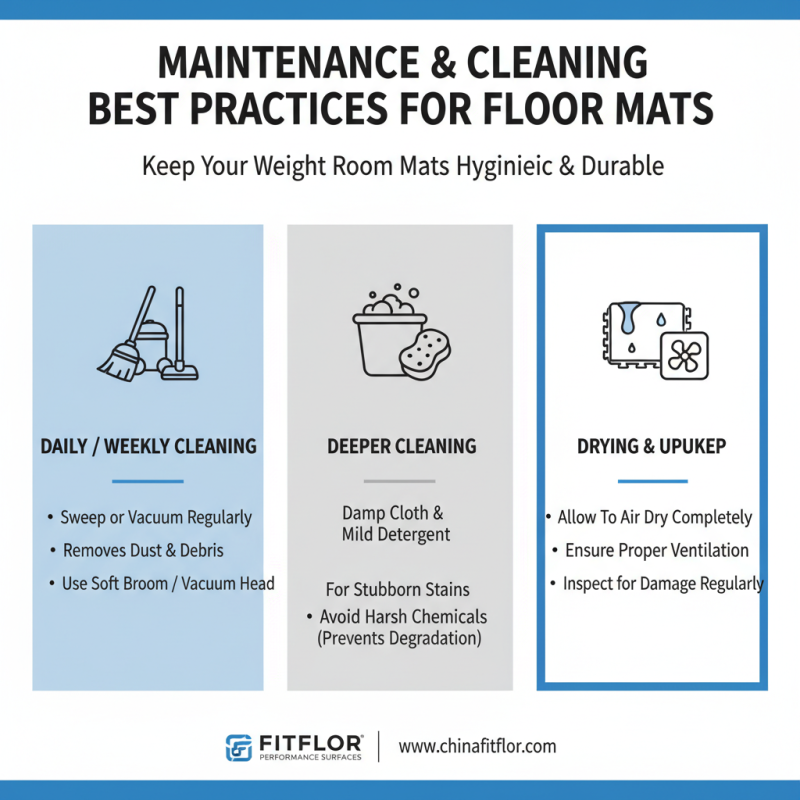
Maintaining the cleanliness of your Weight Room Mats is essential for hygiene. Regularly sweep or vacuum mats to remove dust and debris. A soft broom or vacuum can prevent damage while ensuring a thorough clean. Consider using a damp cloth with mild detergent for deeper stains. It’s crucial to avoid harsh chemicals that can degrade the mat material over time.
Tips for cleaning:
1. Wipe spills immediately.
2. Rotate mats every few months.
3. Air dry after cleaning to prevent mold.
Additionally, once a month, check for wear and tear. Look for cracks or peeling, which can make mats unsafe. You may need to replace them sooner than expected, depending on usage. Neglecting maintenance may lead to more significant issues and costs.
Regular care can extend the life of your weight room mats. Include a routine cleaning schedule in your gym maintenance plan. Being proactive ensures a safe and pleasant workout environment for everyone. Keeping your gym floor mats clean reflects professionalism and care for your fitness space.
Maximize Your Boxing Experience: The Benefits of Fight Floor Shock Absorption Flooring
Maximizing your boxing experience goes beyond just training hard; it involves creating an ideal environment that promotes safety and performance. One of the most significant aspects of this environment is the flooring. Fight Floor shock absorption flooring offers numerous benefits that can elevate training sessions for practitioners of kickboxing, taekwondo, and sanda. According to a study published in the Journal of Sports Engineering and Technology, proper shock-absorbent flooring can reduce the risk of injury by up to 30% by minimizing the impact on joints during intense training.
The unique design of Fight Floor features a top layer made of IXPE foam, which is known for its superior shock-absorbing properties. This material, combined with a composite PVC surface, provides a stable and supportive training surface that enhances safety while also improving performance. The innovative fame bonding process ensures durability, making it suitable for rigorous training sessions. Research shows that training on surfaces with adequate shock absorption can contribute to better agility and quicker recovery times, ultimately leading to enhanced athletic performance.
Additionally, the quick installation process, facilitated by a magic tape connection design, allows for effortless setup, enabling trainers and athletes to focus on their workouts rather than the logistics of their training space. A seamless training environment not only fosters a better athletic experience but also encourages consistency in training routines, as athletes can easily adapt their training locations without compromising on quality. Investing in shock absorption flooring thus becomes a crucial element in maximizing both safety and performance in boxing and combat sports training.
FAQS
: They protect flooring and provide a stable surface for workouts.
Ensure the space is clean and dry. Dust can affect adhesion.
Start laying from one corner. Align them carefully to avoid gaps.
Yes, it helps keep mats in place during intense workouts, adding security.
Regularly sweep or vacuum them. Use a damp cloth for deeper stains.
Once a month is ideal. Look for cracks or peeling that may compromise safety.
Neglecting these may lead to significant damage and higher replacement costs.
No, harsh chemicals can degrade the mat material over time.
Wipe spills immediately to prevent stains and further damage.
Include a routine cleaning schedule and rotate mats every few months.
Conclusion
Weight Floor Mats are essential for anyone setting up a home gym, providing necessary protection for floors and ensuring safety during workouts. Understanding their importance involves recognizing how these mats can absorb impacts, reduce noise, and prevent equipment damage. When selecting Weight Floor Mats, buyers should consider key features such as material type, thickness, and ease of installation.
There are various types of Weight Floor Mats available, including rubber, foam, and vinyl, each offering different levels of cushioning and durability. It is crucial to evaluate the performance and longevity of these mats, as well as their sizing to fit the specific layout of your gym. Proper installation and regular maintenance, including cleaning practices, will enhance the lifespan and effectiveness of Weight Floor Mats, ensuring a safe and enjoyable workout environment.